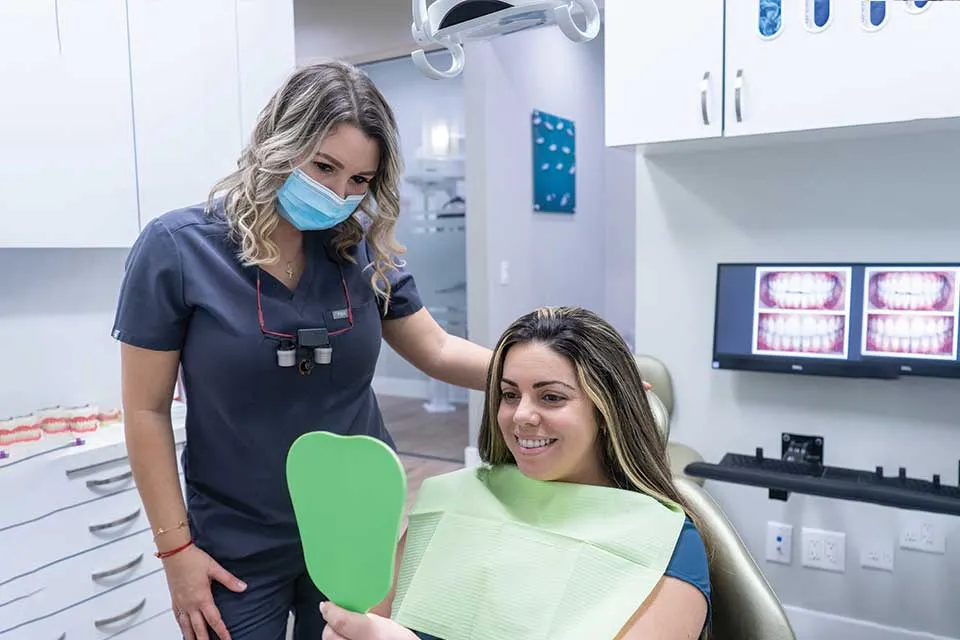
Cosmetic Dentistry
Cosmetic dentistry
Is generally used to refer to any dental work that improves the appearance (though not necessarily the functionality) of teeth, gums and/or bite. It primarily focuses on improvement in dental aesthetics in color, position, shape, size, alignment and overall smile appearance.
Cosmetic Facial Injectables
Do you want to reduce the appearance of fine lines and wrinkles? We perform painless anti-wrinkle facial injections to give you a more youthful and refreshed appearance. Facial injectables use medications to block specific chemical signals from the nerves. When injected into your muscle tissue, the medications block the signals that cause your facial muscles to contract. This allows the muscles to relax, reducing signs of aging.
Collagen Induction Therapy
Say goodbye to scars, wrinkles, enlarged pores, and other skin imperfections! Thanks to collagen induction therapy, your doctor can restore lost collagen and treat a wide variety of cosmetic skin conditions. The painless procedure involves a handheld device with tiny needles making precise, microscopic punctures in the skin. This process causes inflammation that stimulates the development of new collagen to repair your skin and restore a more youthful look.

Veneers
When veneers are solely fabricated because of highly esthetic concerns from patients dentists choose highly esthetic porcelain.
Whitening Methods
- At-home bleaching
- Over-the-counter bleaching
- Over-the-counter whitening strips
- Over-the-counter whitening gels
- Over-the-counter tray-based bleaching systems (purchased at your local drug store, over the internet, by mail)
- Dentist supervised tray-based whitening system (whitening supplies are purchased through your dentist’s office)
- In-office bleaching – also called chairside bleaching or power bleaching
Teeth Whitening
People have their teeth whitened on a regular basis so that they can look and feel great. As people age, it is common for teeth to become dull and yellow. This is in part due to age itself and also due to what a person eats and drinks. Drinking coffee, tea and wine, for example, can stain your teeth. Smoking and eating foods that contain food coloring can also stain your teeth. Brushing immediately after eating and drinking can help to prevent stains but is typically not enough to remove the risk entirely. Fortunately, stained and yellow teeth don’t have to stay that way.
Teeth bonding
Dental bonding is a procedure in a tooth-colored resin material is bonded to the teeth. This procedure is used to repair teeth, change their shape or close gaps between them.
Dental bonding can be used to:
- Repair decayed teeth (composite resins are used to fill cavities)
- Repair chipped or cracked teeth
- Improve the appearance of discolored teeth
- Close spaces between teeth
- Make teeth look longer
- Change the shape of teeth
- Replace amalgam (such as silver) fillings for a comsmetic alternative
- Protect a portion of the tooth’s root that has been exposed when gums recede (move toward the root of the tooth).